North Arlington, NJ · Bergen County
Basement Water Removal in North Arlington, NJBasement Floor Water Damage & Basement Dehumidification
Basement Water Removal in North Arlington runs from basement water pump out and basement drying services to basement dehumidification.
Answered 24/7
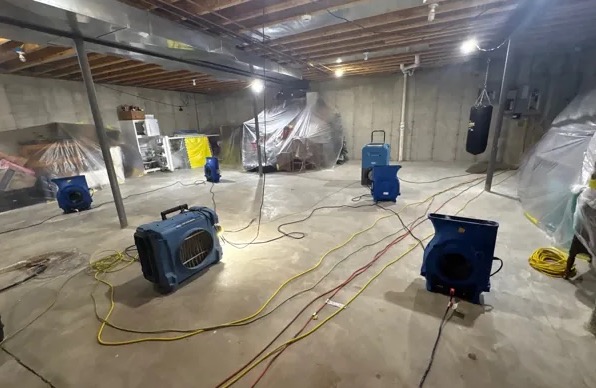
Local Basement Water Removal Services for North Arlington
In North Arlington, a finished basement or lower level takes more work after a flood. Carpet, pad, laminate, drywall and insulation all trap water against the concrete and framing.
In North Arlington, when a basement or below-grade room takes on water, it usually follows heavy rain, a sewer backup or a burst pipe. Local basement drying experts serve North Arlington, Belleville, Kearny and Lyndhurst, pumping water out and drying the space.
The Basement Water Removal Process in North Arlington
Basement Floor Water Damage
Concrete floors are squeegeed, extracted and dried with airflow and dehumidifiers until moisture readings drop.
Basement Dehumidification
After drying, a household dehumidifier may still be needed to keep basement humidity in a healthy range.
Basement Wall Drying
Basement walls are checked with moisture meters. Wet drywall is cut back above the water line, and insulation behind it is removed.
Emergency Basement Flooding
Help is available any hour when water is rising in the basement from a storm, a sewer backup or a burst pipe.
Basement Moisture Inspection
Readings are recorded at each visit, giving you and your insurer a clear record of the drying.
Warning Signs You Need Basement Water Removal
Warped or Buckling Flooring
Flooring that buckles, lifts or feels spongy has water trapped between it and the slab.
Gurgling Sounds From Drains
Gurgling floor drains or slow drains can be an early sign of a sewer line problem.
Water Stains on Walls or Ceiling
Stains on lower walls or the ceiling below a bathroom or kitchen point to a leak.
High Humidity and Condensation
Water on pipes and windows, or a constantly clammy feel, means basement humidity is too high.
How Basement Water Removal Works in North Arlington
Step 1: Emergency Water Extraction
Power is made safe, then pumps and extractors remove standing water from the basement floor.
Step 2: Detailed Moisture Inspection
Meters map wet walls, framing and slab areas, including behind finished walls and under flooring.
Step 3: Drying and Dehumidification
Air movers and large dehumidifiers run continuously, with readings checked every day.
Step 4: Final Verification and Monitoring
Readings are compared to dry areas, and equipment is removed only when the basement tests dry.
Common Causes of Basement Flooding in North Arlington
Clogged or Damaged Gutters
Clogged gutters and short downspouts dump roof water right next to the foundation.
Heavy Rainfall and Storm Flooding
Heavy rain saturates the soil and pushes water through walls, cracks and the floor joint.
Plumbing Leaks or Pipe Bursts
Supply lines, drain pipes and water heaters in the basement can leak or burst onto the floor.
Improper Landscape Grading
Soil that slopes toward the house directs rainwater straight to the basement walls.
Basement Water Removal for Homes and Businesses
Residential Basement Water Removal
In homes, a wet basement often means damaged carpet, drywall and stored belongings, plus a furnace or water heater sitting in water. Water is pumped out and the space dried.
Commercial Basement Water Removal
In commercial buildings, basements often house mechanical rooms and storage. Water is removed quickly so systems can be checked and restarted safely.
Why DIY Basement Water Removal Often Fails in North Arlington
A small puddle on bare concrete can be handled with a wet vac, towels and a dehumidifier. Call local basement drying experts if water reached carpet, drywall or framing, or covers much of the floor.
Understanding Basement Water Removal Pricing
Sewage cleanup, finished walls, after-hours calls and damaged appliances all add to the total for basement water removal in North Arlington.
Additional Services
Antimicrobial treatment, contents cleaning and repairs after drying add to the cost.
Basement Square Footage
Larger basements need more extraction, more drying equipment and more days of drying.
Access and Complexity
Narrow stairs, low ceilings and crowded storage areas make the work slower and longer.
Does Insurance Cover Basement Water Removal?
Photograph the water level, damaged belongings and appliances before cleanup, and keep receipts for emergency pumping and drying equipment for your adjuster.
Benefits of Hiring Local Pros for Basement Water Removal in North Arlington
24/7 Emergency Response
Help is available day or night when water is rising in the basement.
Clear Communication
You get plain updates on what was found, what was removed and how drying is going.
Advanced Drying Equipment
Pumps, extractors and large dehumidifiers remove water much faster than household tools.
Round-the-Clock Basement Water Removal for North Arlington
Water still rising in the basement? Call (973) 846-1705 now for basement water removal in North Arlington before the water reaches finished rooms and stored belongings.
Call Now (973) 846-1705Communities Served for Basement Water Removal
Need basement water removal outside North Arlington? Service also covers Belleville, Kearny and Lyndhurst, including emergency help during storms.
- Basement Water Removal in Belleville
- Basement Water Removal in Kearny
- Basement Water Removal in Lyndhurst
- Basement Water Removal in Nutley
- Basement Water Removal in Rutherford
- Basement Water Removal in Bloomfield
- Basement Water Removal in Harrison
- Basement Water Removal in Secaucus
- Emergency Damage Restoration in 07031
- Storm Damage Restoration in 07031
- Water Damage Restoration in 07031
- Water Extraction Service in 07031
- Water Leak Detection in 07031
- Water Removal Service in 07031
Common Basement Water Removal Questions Answered
What is the difference between a pump out and extraction?
A pump out removes deep standing water. Extraction pulls the remaining water from carpet, pad and floors.
What causes basement floor water damage?
Storm seepage, burst pipes, appliance leaks, foundation cracks and sewer backups through floor drains are the usual sources.
Can I dry my basement myself with fans?
Fans help with surface water, but walls and concrete need dehumidifiers and readings to dry fully.
What is emergency basement flooding response?
Help any hour to make power safe, stop the source, pump out water and start drying before more damage sets in.
How does a basement moisture inspection work?
Moisture meters and thermal cameras check walls, floors and the slab, including behind finished walls and under flooring.