Newark, NJ · Essex County
Attic Water Damage Restoration in Newark, NJAttic Drying Services & Roof Leak Water Removal
Attic Water Damage Restoration in Newark includes roof leak water removal, ceiling water damage cleanup and attic moisture inspection.
Answered 24/7
Get Help with Attic Water Damage Restoration in Newark
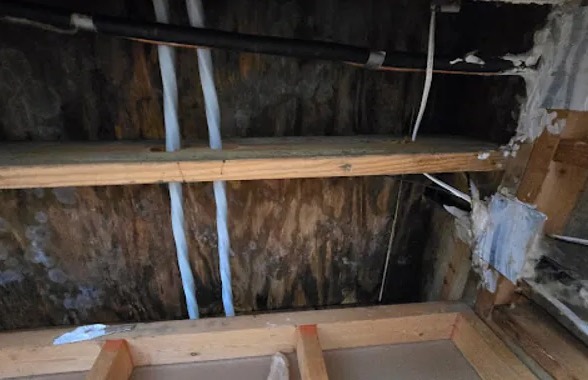
After a storm in Newark, water can come into the attic through lifted shingles, damaged vents or a hole from a fallen limb. Getting it out quickly keeps the ceiling below intact.
A storm leak in Newark can soak attic insulation in one night. Local water removal experts serve Newark and nearby Harrison, Kearny and East Orange, with help available around the clock.
Attic Water Damage Restoration Services in Newark
Attic Drying Services
Air movers and dehumidifiers dry rafters, joists and roof decking. Attic heat speeds drying in summer, while cooler months need more dehumidification.
Roof Leak Water Removal
Rain that came through damaged shingles, flashing or vents is removed from the attic, and the leak location is marked for the roofer.
Attic Moisture Inspection
Moisture meters and thermal cameras check decking, rafters, insulation and the ceiling below to find every wet area.
Attic Leak Water Cleanup
Water that collected on attic decking, joists and the top of the ceiling drywall is removed, and wet debris is cleared so the area can dry.
Ceiling Water Damage Cleanup
A ceiling stained or soaked from an attic leak is drained safely, and sagging drywall is cut out before it falls into the room.
Indicators for Emergency Attic Water Removal
Dripping Sounds From Ceiling
Dripping or tapping sounds above the ceiling, especially during rain, mean water is getting in.
Water Stains on Ceiling
Brown rings or yellow spots on an upstairs ceiling usually mean water is sitting on the drywall from above.
Sagging or Bowed Roof Decking
Roof decking that sags or bows between rafters may be soaked or starting to rot.
Wet or Sagging Insulation
Insulation that looks matted, dark or compressed, or sags between joists, has absorbed water.
How Attic Water Damage Restoration Works in Newark
Step 1: Source Stop and Water Extraction
A tarp is placed over roof damage or the pipe is shut off, and water in the attic is removed.
Step 2: Removal of Damaged Materials
Ruined insulation and sagging ceiling drywall are removed to stop further damage and open the area to air.
Step 3: Attic Drying
Dehumidifiers and air movers run until wood framing and decking return to normal moisture levels.
Step 4: Cleaning and Odor Removal
Debris is cleared, dust is cleaned from the room below, and musty odors are addressed.
What Causes Attic Water Damage in Newark?
Burst or Leaking Plumbing Pipes
Supply lines and water heaters in the attic can leak or burst directly onto the ceiling.
Condensation From Poor Ventilation
Warm, moist air from the house condenses on cold roof decking when the attic is poorly vented.
Ice Dam Formation on Roof
Ice dams at the roof edge force melting snow back under the shingles and into the attic.
Attic Appliance Leaks
AC air handlers in the attic overflow when the condensate line clogs or the pan cracks.
Attic Water Damage Restoration for All Property Types in Newark
Residential Attic Water Damage Restoration
At home, attic leaks usually show up as a stain on a bedroom or hallway ceiling. The attic is dried, wet insulation removed and the ceiling below repaired or dried in place.
Commercial Attic Water Damage Restoration
In commercial buildings, water above a drop ceiling can soak tiles, wiring and insulation across several rooms. Affected tiles are removed and the space above them is dried.
Handling Attic Water Damage: DIY Risks vs. Pro Help
Fixing the roof stops new water but does not dry what is already wet. After any roof repair, have the attic checked for damp insulation and wood.
Factors Affecting Attic Water Damage Restoration Cost in Newark
Tight attic access, after-hours calls and ceiling drywall replacement all add to the total for attic water damage restoration in Newark.
Type of Water Involved
Clean rainwater is simpler to handle than water from a drain or a contaminated source.
Size and Accessibility
Low, tight attics take longer to work in than tall attics with easy access.
Ceiling Repair Needs
Replacing, taping and painting ceiling drywall after drying adds to the total.
Does Insurance Cover Attic Water Damage Restoration?
Photos, moisture readings and drying logs from local water removal experts help support an insurance claim for attic water damage in Newark. Keep copies of everything.
Selecting Local Pros for Attic Water Damage Restoration in Newark, NJ
Detailed Documentation
Photos, readings and drying logs are kept to support your insurance claim.
Advanced Moisture Detection
Moisture meters and thermal cameras find wet insulation, wood and drywall that look dry.
Full Attic Assessment
The whole attic is checked, from the roof deck to the ceiling below, not just the leak spot.
Round-the-Clock Attic Water Damage Restoration in Newark
A wet attic soaks the ceiling below within hours. Call (973) 846-1705 for attic water damage restoration in Newark at any time of the day or night.
Call Now (973) 846-1705Attic Water Damage Restoration Near Newark: Areas Served
Attic water removal and drying also cover homes and buildings in Harrison, Kearny and East Orange, close to Newark, day or night.
Your Attic Water Damage Restoration Questions Resolved
Is attic mold prevention always needed after water damage?
Fast drying is always needed. Antimicrobial treatment is added when wood stayed wet long enough to need it.
What is involved in emergency attic water extraction?
Catching active drips, removing pooled water from decking and drywall tops, and starting drying before the ceiling below is ruined.
How long does the attic drying process take?
Often several days, depending on how wet the wood is, the attic temperature and how much insulation was removed.
Can attic water damage affect indoor air?
Wet insulation and wood can cause musty odors that reach the living space, so drying and removing soaked materials matters.
What causes attic leaks besides storms?
Worn flashing, clogged gutters, attic AC overflows, plumbing leaks and bathroom fans venting into the attic.