Fort Lee, NJ · Bergen County
Attic Water Removal in Fort Lee, NJAttic Moisture Inspection & Attic Mold Prevention
Attic Water Removal in Fort Lee runs from roof leak water removal and wet attic insulation removal to ceiling water damage cleanup.
Answered 24/7
Attic Water Removal Services for Fort Lee Homes
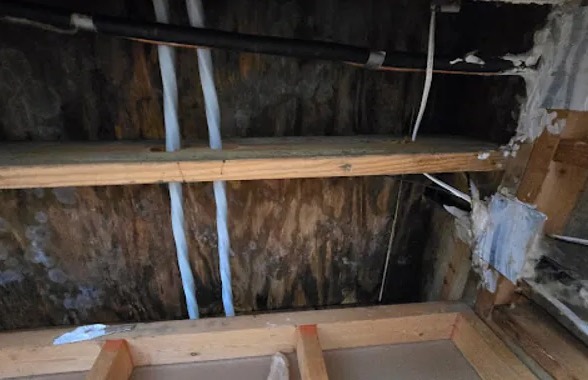
An attic leak is easy to miss and expensive to ignore. In Fort Lee, water from a roof, pipe or AC pan can soak insulation and decking for weeks, then show up all at once as a stained or sagging ceiling.
In Fort Lee, Palisades Park, Cliffside Park and Englewood, many attic leaks go unnoticed until the ceiling stains. The pros get the water and wet insulation out before the ceiling has to be replaced.
Specialized Attic Water Removal for Fort Lee
Attic Moisture Inspection
The inspection shows the full spread of the leak, so every wet area is either dried or removed.
Attic Mold Prevention
After drying, wood that was wet for more than a day or two can be treated with an antimicrobial to slow microbial growth.
Wet Attic Insulation Removal
Only the wet sections come out. The edges of the wet area are checked with a meter so dry insulation is not removed by mistake.
Ceiling Water Damage Cleanup
A water-stained ceiling below the attic is checked with a meter. Firm, lightly damp drywall can dry in place, while soft or sagging drywall comes down.
Attic Drying Services
Drying continues until rafters, decking and ceiling drywall reach normal moisture readings, which is often several days.
Warning Signs You Need Attic Water Removal
Puddles or Standing Water in Attic
Pooled water on the attic floor or on top of drywall needs removal right away.
Water Stains on Ceiling
A brown ring or yellow patch on an upstairs ceiling usually means water is sitting on the drywall from the attic.
Musty Odors in Your Home
A musty smell upstairs or at the attic hatch often points to wet insulation or damp wood above.
Visible Mold in Attic Spaces
Dark spots on rafters or roof decking mean the wood has stayed damp for days or longer.
How Attic Water Removal Works in Fort Lee
Step 1: Source Control and Water Removal
The roof is tarped or the line shut off, and pooled water is removed from the attic floor.
Step 2: Wet Attic Cleanup and Debris Removal
Soaked insulation, wet debris and stored items are cleared so the wood and drywall can dry.
Step 3: Structural Drying and Dehumidification
Air movers and dehumidifiers are set on boards in the attic and run until readings drop.
Step 4: Final Attic Moisture Check
Decking, rafters and the ceiling below are tested to confirm they are dry before repairs.
Common Causes of Attic Water Damage in Fort Lee
Clogged or Disconnected Gutters
Clogged or loose gutters let water back up under the roof edge and into the soffits.
Flashing Failures Around Roof Penetrations
Failed flashing around vents, chimneys and skylights lets rain run into the attic.
Ice Dam Formation on Roof Edges
Ice dams at the roof edge force melting snow back under shingles and into the attic.
Storm Damage From High Winds or Hail
High winds and hail can damage shingles and open the roof to rain during a storm.
Both Residential & Commercial Attic Water Removal
Residential Attic Water Removal
In townhomes and condos, a shared attic can carry water into a neighbor's ceiling. Clear photos and readings help sort out repairs with the association.
Commercial Attic Water Removal
Property managers get records for each affected suite or unit, which helps with roof repair planning and insurance claims.
The Risks of DIY Attic Water Removal in Fort Lee
If you can do it safely, look into the attic with a flashlight to find the wet area. Removing soaked insulation and drying the framing needs boards, protective gear and equipment.
Estimating Attic Water Removal Expenses in Fort Lee
The cost of attic water removal in Fort Lee depends on how far the water spread, how much insulation is wet and whether ceiling drywall below must be replaced.
Access and Attic Complexity
Low headroom and small access hatches make attic work slower than open spaces.
Secondary Damage Repairs
Ceiling drywall replacement and paint in the room below add to the total.
Drying Time Required
Dense wood framing can take several days to dry, which adds equipment time.
Does Insurance Cover Attic Water Removal?
Insurers often ask what caused the leak and how long it ran. Notes on the entry point and roof condition help answer those questions.
The Value of Local Attic Water Removal Experts
Advanced Moisture Detection
Moisture meters and thermal cameras find wet wood and insulation that look dry.
Mold Inhibitor Application
Wood that stayed wet can be treated with an antimicrobial after it is dried.
Post-Cleanup Verification
Final readings confirm the attic is dry before new insulation goes in.
24-Hour Emergency Attic Water Removal Near Fort Lee
Water dripping through your ceiling in Fort Lee? Put a bucket under it, move belongings and call (973) 846-1705. Attic water removal is available 24/7.
Call Now (973) 846-1705Local Attic Water Removal Coverage Area
Nearby areas served for attic water removal include Palisades Park, Cliffside Park and Englewood, with the same water removal and drying steps used in Fort Lee.
- Attic Water Removal in Palisades Park
- Attic Water Removal in Cliffside Park
- Attic Water Removal in Englewood
- Attic Water Removal in North Bergen
- Attic Water Removal in Hackensack
- Attic Water Removal in West New York
- Attic Water Removal in Tenafly
- Attic Water Removal in Bergenfield
- Emergency Damage Restoration in 07024
- Storm Damage Restoration in 07024
- Water Damage Restoration in 07024
- Water Extraction Service in 07024
- Water Leak Detection in 07024
- Water Removal Service in 07024
Common Attic Water Removal Queries Answered
How long does attic drying take?
Often several days, depending on how wet the wood is, the attic temperature and how much insulation was removed.
Can wet attic insulation be saved?
Lightly damp areas sometimes dry, but soaked or matted insulation is usually removed and replaced after the attic dries.
Can I remove attic water myself?
Only small amounts that are easy to reach safely. Pooled water and soaked insulation need safe footing and drying equipment.
What causes attic water damage?
Roof leaks, plumbing failures, attic AC overflows, water heater leaks, loose bath fan ducts and poor ventilation.
What is an attic moisture inspection?
A check of rafters, decking, insulation and the ceiling below with moisture meters and thermal cameras to find all wet areas.