Cliffside Park, NJ · Bergen County
Attic Water Removal in Cliffside Park, NJAttic Leak Water Cleanup & Ceiling Water Damage Cleanup
Attic Water Removal in Cliffside Park runs from roof leak water removal and wet attic insulation removal to ceiling water damage cleanup.
Answered 24/7
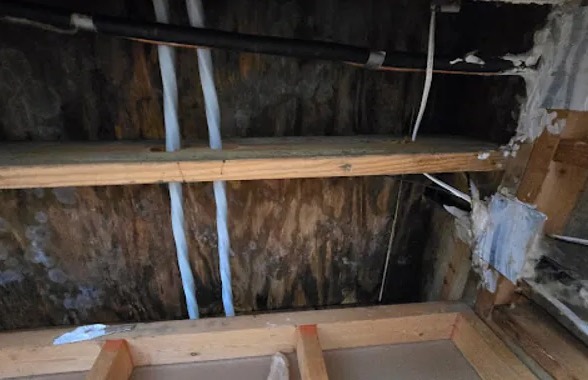
Attic Water Removal Services for Cliffside Park Homes
An attic leak is easy to miss and expensive to ignore. In Cliffside Park, water from a roof, pipe or AC pan can soak insulation and decking for weeks, then show up all at once as a stained or sagging ceiling.
In Cliffside Park, attic water calls often start with a ceiling stain after heavy rain or a dripping AC drain. Local attic water removal pros serve Cliffside Park, North Bergen, Palisades Park and Fort Lee, removing water and wet insulation and drying the attic.
Detailed Attic Water Removal Solutions
Attic Leak Water Cleanup
Water-stained debris, wet cardboard and soaked stored items are cleared out so the attic floor can be dried.
Ceiling Water Damage Cleanup
Fallen drywall, wet insulation and debris in the room below are cleaned up, and floors and furniture are protected during the work.
Emergency Attic Water Extraction
When a storm or a burst pipe floods the attic, help is available any hour to remove the water before the ceiling below fails.
Attic Moisture Inspection
The inspection shows the full spread of the leak, so every wet area is either dried or removed.
Wet Attic Insulation Removal
Fiberglass batts are lifted out by hand, while wet blown-in insulation is vacuumed with a high-powered insulation vacuum.
Symptoms Requiring Attic Water Removal in Cliffside Park
Visible Mold in Attic Spaces
Dark spots on rafters or roof decking mean the wood has stayed damp for days or longer.
Water Dripping From Light Fixtures
Water dripping from a ceiling light or fan means an active leak above. Turn off that circuit.
Wet or Damp Attic Insulation
Insulation that feels damp, looks dark or has packed down in one area has absorbed water.
Increased Indoor Humidity Levels
Upstairs rooms that feel sticky or humid may have moisture coming down from the attic.
How Attic Water Removal Works in Cliffside Park
Step 1: Source Control and Water Removal
The roof is tarped or the line shut off, and pooled water is removed from the attic floor.
Step 2: Wet Attic Cleanup and Debris Removal
Soaked insulation, wet debris and stored items are cleared so the wood and drywall can dry.
Step 3: Structural Drying and Dehumidification
Air movers and dehumidifiers are set on boards in the attic and run until readings drop.
Step 4: Final Attic Moisture Check
Decking, rafters and the ceiling below are tested to confirm they are dry before repairs.
Why Attics Develop Water Damage
Clogged or Disconnected Gutters
Clogged or loose gutters let water back up under the roof edge and into the soffits.
Ice Dam Formation on Roof Edges
Ice dams at the roof edge force melting snow back under shingles and into the attic.
Roof Leaks From Damaged Shingles
Cracked, missing or lifted shingles let rain reach the decking and drip into the attic.
Storm Damage From High Winds or Hail
High winds and hail can damage shingles and open the roof to rain during a storm.
Attic Water Removal for All Property Types in Cliffside Park
Residential Attic Water Removal
In two-story homes, attic water can run down inside walls to the floor below. Walls under the leak are checked with a meter and dried if needed.
Commercial Attic Water Removal
Flat-roof buildings often have water that travels far before it drips. The path above the ceiling is traced so every wet section is found.
The Risks of DIY Attic Water Removal in Cliffside Park
Never step between attic joists. The ceiling drywall will not hold you, and a fall can cause injury. If water is pooled up there, call (973) 846-1705 instead.
What Affects Attic Water Removal Cost in Cliffside Park
Roof or plumbing repair is billed separately from water removal and drying. In Cliffside Park, both are needed after most attic leaks.
Mold Prevention Measures
Antimicrobial treatment of wood that stayed wet is an added step, priced by area.
Access and Attic Complexity
Low headroom and small access hatches make attic work slower than open spaces.
Drying Time Required
Dense wood framing can take several days to dry, which adds equipment time.
Does Insurance Cover Attic Water Removal?
Photograph the attic, the ceiling and any roof damage before cleanup, and keep receipts for tarping and emergency water removal.
Selecting Local Pros in Cliffside Park for Attic Water Removal
Post-Cleanup Verification
Final readings confirm the attic is dry before new insulation goes in.
Mold Inhibitor Application
Wood that stayed wet can be treated with an antimicrobial after it is dried.
Dehumidification Equipment
Dehumidifiers sized for the attic remove moisture much faster than roof vents and open hatches alone.
Round-the-Clock Attic Water Removal for Cliffside Park
Water in an attic reaches the ceiling below fast. Call (973) 846-1705 for attic water removal in Cliffside Park at any hour, including storms and holidays.
Call Now (973) 846-1705Nearby Towns for Attic Water Removal from Cliffside Park
Help with attic water removal reaches North Bergen, Palisades Park and Fort Lee, plus other communities around Cliffside Park, for one-story and two-story homes alike.
- Attic Water Removal in North Bergen
- Attic Water Removal in Palisades Park
- Attic Water Removal in Fort Lee
- Attic Water Removal in West New York
- Attic Water Removal in Union City
- Attic Water Removal in Englewood
- Attic Water Removal in Hackensack
- Attic Water Removal in Hoboken
- Emergency Damage Restoration in 07010
- Storm Damage Restoration in 07010
- Water Damage Restoration in 07010
- Water Extraction Service in 07010
- Water Leak Detection in 07010
- Water Removal Service in 07010
Attic Water Removal FAQs
How long does attic drying take?
Often several days, depending on how wet the wood is, the attic temperature and how much insulation was removed.
Can I remove attic water myself?
Only small amounts that are easy to reach safely. Pooled water and soaked insulation need safe footing and drying equipment.
What does water damaged attic restoration include after drying?
New insulation, any decking or framing repairs, and ceiling drywall replacement and paint in the room below.
What happens during wet attic cleanup?
Water, wet insulation and debris are removed, stored items are moved out and the attic floor is cleaned before drying.
Why is emergency attic drying important?
Wet wood and drywall break down quickly. Drying fast saves more of the ceiling and lowers the risk of microbial growth.