Trenton, NJ · Mercer County
Toilet Overflow Water Removal in Trenton, NJDrywall Removal After Toilet Overflow & Sewage Damage Sanitization
Toilet Overflow Water Removal in Trenton includes toilet overflow water extraction, black water contamination cleanup, and sewage damage sanitization.
Answered 24/7
Local Toilet Overflow Water Removal Services for Trenton
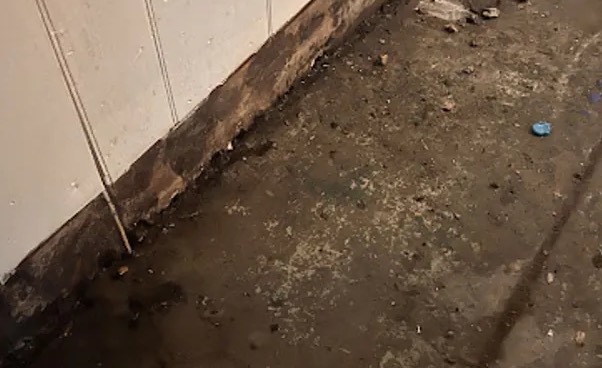
In Trenton, drywall soaked by toilet water wicks it upward and holds bacteria, so the wet section is usually cut out and replaced.
In Trenton homes, restoration pros map moisture after a toilet overflow so nothing is left wet, and repair affected drywall, here and in East Brunswick and Sayreville.
Toilet Overflow Cleanup Services for Trenton
Drywall Removal After Toilet Overflow
Drywall and baseboards absorbing contaminated water often need removal. Water damage pros cut away damaged drywall sections above the water line.
Sewage Damage Sanitization
Thorough sanitization follows black water removal to safeguard health. The pros systematically clean and disinfect the affected area, focusing on crevices and joints where contaminants can linger.
Bathroom Floor Drying Services
After extraction, the pros dry bathroom floors and subfloors with air movers and dehumidifiers, checking moisture meters to prevent warping and swelling.
Toilet Overflow Water Extraction
Efficient extraction halts a toilet overflow's advance. The pros utilize powerful vacuum systems to remove water, ensuring even hidden moisture behind toilets is addressed. Fast action here in Trenton sets the stage for effective drying.
Emergency Toilet Backup Cleanup
Sudden toilet overflows require urgent professional intervention. The experts offer emergency services to extract black water and begin disinfection, aiming to stabilize the situation for residents.
Signs Needing Toilet Overflow Cleanup in Trenton
Slow Draining Sinks or Tubs
Slow drainage in nearby fixtures often accompanies a main line clog that can cause toilet overflows.
Damp Carpet Outside Bathroom
Wet carpet spreading from the bathroom doorway means the overflow has reached the next room.
Bubbling or Peeling Wall Paint
Paint that bubbles or peels near the toilet indicates hidden moisture damage within the wall cavity.
Sewage Odor in Your Bathroom
A sewage smell that lingers after an overflow means contamination is still in the floor or walls.
How Toilet Overflow Water Removal Works in Trenton
Step 1: 24/7 Emergency Response Call
After your call, the pros ask where the overflow happened and how far the water spread.
Step 2: Safety Evaluation and Hazard Control
The area is checked for electrical and slip hazards before cleanup starts.
Step 3: Contaminated Water and Debris Removal
All sewage, water, and solid debris are extracted and removed from the bathroom, a core task in toilet backup cleanup.
Step 4: Dehumidification and Air Scrubbing
Industrial dehumidifiers and air scrubbers run to dry structures and purify the air, finalizing the flooded bathroom cleanup.
Common Plumbing Issues Leading to Overflows
High Water Pressure in Supply Line
Excessively high water pressure in the supply line can cause the toilet tank to overfill and spill over.
Septic Tank Failure or Overfill
A failed or overfull septic tank has no capacity for new waste, forcing it back through toilet drains.
Aging or Corroded Sewer Pipes
Old, corroded, or collapsed sewer pipes restrict flow and are a frequent cause of recurring toilet backup issues.
Main Sewer Line Blockages
A blockage in the main sewer line forces wastewater back up through toilet drains, causing an overflow.
Toilet Overflow Services for Residential and Commercial Properties
Residential Toilet Overflow Water Removal
A toilet overflow in a home can soak the bathroom floor and the rooms next to it. Local pros extract the water, dry the subfloor and remove soaked carpet and pad.
Commercial Toilet Overflow Water Removal
Toilet overflows in public restrooms can close a business. The pros extract the water, clean and disinfect the area and dry it.
Black Water Damage: Why DIY Cleanup is Not Advised
If the overflow was small and clearly clean water, you can dry the surface with towels. If you are unsure of the source or the water spread, call the pros.
Factors in Toilet Overflow Water Extraction Pricing
The number of rooms affected by the toilet backup and the complexity of the water extraction process both factor into the final service cost.
Emergency Response
Night and weekend calls for a toilet backup can carry a higher rate than scheduled work.
Material Permeability
Wet carpet and drywall touched by toilet water usually have to be removed and replaced, which adds cost.
Water Contamination Category
Black water from a toilet overflow requires intensive sanitization protocols, which affects the resources and time needed for the job.
Does Insurance Cover Toilet Overflow Water Removal?
Insurance coverage for toilet overflow water removal depends on your specific homeowner's or commercial policy. Most standard policies cover sudden and accidental water damage, but may exclude damage from lack of maintenance.
The Value of Expert Bathroom Water Damage Services
Thorough Water Extraction
Pumps and extractors remove standing water quickly, before it spreads to other rooms.
Documentation for Insurance
Photos and moisture logs are prepared to support your insurance claim from the start.
Odor Control Measures
Air scrubbing and treatment help address sewage odors as part of the overall toilet backup cleanup process.
Emergency Sewage Damage Cleanup Available 24/7
A bathroom requires professional attention following a toilet overflow to prevent secondary damage. Emergency toilet overflow cleanup can be started by calling (973) 846-1705 for help.
Call Now (973) 846-1705Toilet Overflow Water Removal in Trenton and Other Areas Served
Each place listed below has its own page with local details.
- Toilet Overflow Water Removal in East Brunswick
- Toilet Overflow Water Removal in Sayreville
- Toilet Overflow Water Removal in Old Bridge
- Toilet Overflow Water Removal in Edison
- Toilet Overflow Water Removal in Lakewood
- Toilet Overflow Water Removal in Woodbridge
- Toilet Overflow Water Removal in Middletown
- Toilet Overflow Water Removal in Rahway
- Emergency Damage Restoration in 08601
- Storm Damage Restoration in 08601
- Water Damage Restoration in 08601
- Water Extraction Service in 08601
- Water Leak Detection in 08601
- Water Removal Service in 08601
- Emergency Damage Restoration in 08602
- Storm Damage Restoration in 08602
Black Water Removal FAQ for Homeowners
Is sanitization after a toilet overflow always necessary?
Yes, because Category 3 water contains pathogens, professional sanitization of all affected surfaces is a required step for health and safety.
Can a toilet overflow cause damage in adjacent rooms?
Yes. Water can run under doors and through walls, so the rooms next to the bathroom are checked with meters too.
What documentation is provided for insurance after toilet overflow water removal?
The pros typically provide detailed job documentation including timestamped photos, moisture readings, and a written scope of work for the homeowner to submit to their insurer for review.
What defines a professional toilet overflow cleanup process?
A professional toilet overflow cleanup process follows industry-standard methods for extraction, drying, sanitization, and documentation, systematically addressing both visible water and hidden moisture pockets.
Can wet carpet and padding be saved after a toilet overflow?
Carpet and padding contaminated with black water typically require removal and disposal due to porosity and health risks, not cleaning.