Sayreville, NJ · Middlesex County
Desiccant Dehumidification in Sayreville, NJCrawl Space Drying & Flood Drying Services
Desiccant Dehumidification in Sayreville runs from emergency dehumidification and flood drying services to firefighting water drying.
Answered 24/7
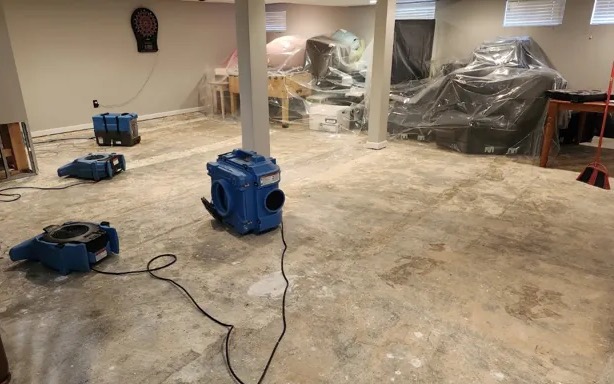
Desiccant Dehumidification: Moisture Control in Sayreville
Desiccant dehumidifiers dry air differently from the refrigerant units most people know. Instead of cooling air to condense water, they pass it over a material that absorbs moisture, which lets them keep working in cool spaces and reach very low humidity.
In Sayreville, desiccant drying is often used in crawl spaces and large buildings after floods. Local drying pros serve Sayreville, Edison, Old Bridge and East Brunswick, choosing equipment based on readings.
Desiccant Dehumidification Services in Sayreville
Crawl Space Drying
Water is removed from the crawl space first, then desiccant drying brings humidity down so the framing can dry.
Flood Drying Services
Flood drying pairs desiccant units with air movers aimed at wet materials, with readings taken every day until the structure is dry.
Water Damage Dehumidification
Dehumidification runs alongside air movers, and readings are taken daily until every wet material is back to normal.
Firefighting Water Drying
Drying after a fire is done once wet debris is removed, so the structure dries cleanly before rebuilding.
Mold Prevention Drying
Drying continues until readings on the remaining framing are normal, before walls are closed up again.
Warning Signs You Need Desiccant Dehumidification in Sayreville
Strong Damp Odor in Rooms
A damp smell that stays in a room after cleanup means materials there are still holding moisture.
Wet Insulation in Attics or Walls
Insulation that is wet in attics or walls holds water against framing and slows drying.
Peeling Paint or Wallpaper
Paint or wallpaper that peels after a leak has moisture behind it that has not dried.
Warped Wood Floors or Trim
Wood floors or trim that cup or warp after a leak are still taking on moisture.
How Desiccant Dehumidification Works in Sayreville
Step 1: Emergency Moisture Evaluation
The wet area is mapped and the right size and type of dehumidifier is chosen.
Step 2: High-Capacity Setup
Large desiccant units are placed for big spaces or cool areas where standard units struggle.
Step 3: Active Drying Cycle
Dry air is moved across wet materials, with daily readings to track progress.
Step 4: Completion and Insurance Records
Final readings and daily drying logs are compiled into a record for your insurer.
Common Causes for Desiccant Dehumidification in Sayreville
Fire Suppression System Activation
Fire sprinklers and firefighting water soak large areas of a building at once.
Severe Weather and Storm Flooding
Storms and flooding soak lower levels and leave large volumes of wet material.
Poor Ventilation in Enclosed Areas
Closed, poorly ventilated spaces trap moisture and dry very slowly after water damage.
Groundwater Rise After Heavy Rains
Groundwater rising after long rains keeps crawl spaces and lower levels damp.
Residential and Commercial Desiccant Dehumidification in Sayreville
Residential Desiccant Dehumidification
In homes, desiccant drying is most often used in crawl spaces and cool lower levels after leaks or floods. Standard units are used in warm rooms where they work well.
Commercial Desiccant Dehumidification
In commercial buildings, high-capacity desiccant units can dry large floors and high-ceiling spaces after sprinkler leaks or floods, with drying planned around business hours.
The Limits of DIY Desiccant Dehumidification in Sayreville
Do not run drying equipment on materials soaked by sewage or floodwater before they are cleaned or removed, since that spreads contamination through the house.
Investing in Desiccant Dehumidification for Sayreville Properties
Repairs after drying are a separate cost. In Sayreville, fully dried materials often mean fewer repairs are needed.
Moisture Saturation Level
Materials that are fully soaked take longer to dry than lightly damp ones.
Access and Complexity
Crawl spaces, tight areas and large buildings take more effort to set up and monitor.
Type of Water Damage
Floodwater and sewage need cleaning and removal of materials before drying, which adds cost.
Does Insurance Cover Desiccant Dehumidification?
Insurers often want proof that drying was needed and that it worked. Starting and final moisture readings from the job show both.
Selecting Local Pros for Desiccant Dehumidification in Sayreville, New Jersey
Post-Flood Drying
Floodwater cleanup is followed by drying that continues until readings are normal.
Targeted Drying
Equipment is placed for the specific materials and spaces that are wet.
24/7 Emergency Response
Help is available day or night to set up drying equipment after a leak or flood.
Urgent Desiccant Dehumidification Available in Sayreville
Crawl space or lower level wet after a storm? Call (973) 846-1705 now for desiccant dehumidification in Sayreville before the framing stays damp.
Call Now (973) 846-1705Locations for Desiccant Dehumidification Around Sayreville
Help with desiccant dehumidification reaches Edison, Old Bridge and East Brunswick, plus other communities around Sayreville, for houses, apartments and large buildings.
- Desiccant Dehumidification in Edison
- Desiccant Dehumidification in Old Bridge
- Desiccant Dehumidification in East Brunswick
- Desiccant Dehumidification in Woodbridge
- Desiccant Dehumidification in Carteret
- Desiccant Dehumidification in Rahway
- Desiccant Dehumidification in Middletown
- Desiccant Dehumidification in Linden
- Emergency Damage Restoration in 08871
- Storm Damage Restoration in 08871
- Water Damage Restoration in 08871
- Water Extraction Service in 08871
- Water Leak Detection in 08871
- Water Removal Service in 08871
- Emergency Damage Restoration in 08872
- Storm Damage Restoration in 08872
Common Desiccant Dehumidification Questions Answered
Can desiccant dehumidification help prevent mold?
Yes. Lowering humidity and drying materials quickly is one of the main ways to keep mold from starting.
When is desiccant dehumidification a better choice than refrigerant units?
In cool spaces, very large areas or when very low humidity is needed to dry dense materials.
How do rapid drying methods protect my property?
They dry materials before they swell, warp or grow microbes, which keeps repairs smaller.
Can desiccant dehumidification dry behind walls?
Dry air helps, especially when directed into wall cavities through small openings, with readings to confirm results.
What areas can benefit from moisture control services?
Crawl spaces, lower levels, attics, large commercial spaces and any room where materials got wet.