Westfield, NJ · Union County
Basement Water Removal in Westfield, NJSump Pump Failure Water Cleanup & Basement Wall Drying
After a burst pipe or storm, Basement Water Removal in Westfield means basement water pump out, basement wall drying and basement drying services.
Answered 24/7
Expert Basement Water Removal in Westfield, Summit, Roselle and Rahway
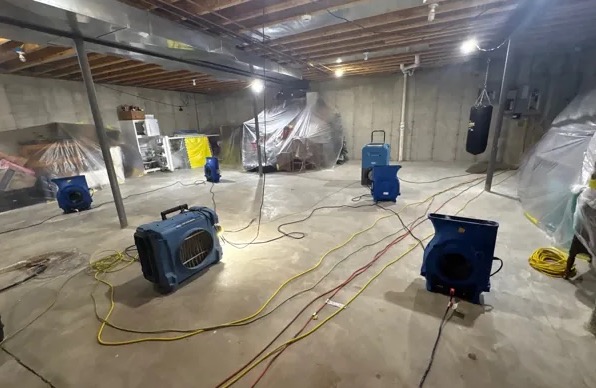
Dehumidification is the slow but necessary part of basement water removal in Westfield. Pumps remove standing water quickly, but walls and concrete keep releasing moisture for days.
Homeowners in Westfield can call (973) 846-1705 day or night when the basement is taking on water. Service also covers Summit, Roselle and Rahway, with the same pumping and drying steps.
Professional Basement Water Removal Offerings
Sump Pump Failure Water Cleanup
A backup pump or battery system is worth discussing with a plumber after the cleanup, since sump failures often repeat in storms.
Basement Wall Drying
Concrete and block walls dry with directed airflow and dehumidification, which pull water out of the masonry.
Basement Moisture Inspection
Moisture meters and thermal cameras check walls, floors and the slab for water that is not visible, including behind finished walls.
Basement Floor Water Damage
Concrete floors are squeegeed, extracted and dried with airflow and dehumidifiers until moisture readings drop.
Basement Water Pump Out
Pumping starts once power to the basement is safe. Deep water goes first, then extractors handle the thin layer left on the floor.
Signs of Basement Water Damage in Westfield
Gurgling Sounds From Drains
Gurgling floor drains or slow drains can be an early sign of a sewer line problem.
Mold or Mildew
Dark spots on drywall, framing or stored items mean the area has stayed wet for days.
Sump Pump Failure or Overflow
A sump pit that is full, overflowing or has a pump that will not start means water is about to spread.
Water Stains on Walls or Ceiling
Stains on lower walls or the ceiling below a bathroom or kitchen point to a leak.
How Basement Water Removal Works in Westfield
Step 1: Source Control and Water Pump Out
The leak is shut off and standing water is pumped out, starting at the lowest point.
Step 2: Water Extraction
Extractors pull water from carpet, pad and concrete, and wet vacs clear corners and stairs.
Step 3: Dehumidification and Drying
Large dehumidifiers and air movers dry walls, framing and slab over several days.
Step 4: Inspection and Clearance for Repair
Final readings confirm the basement is dry and ready for drywall and flooring repairs.
Sources of Basement Water Problems
Sump Pump Malfunction or Power Loss
A sump pump that fails mechanically or loses power during a storm lets groundwater rise.
High Water Table and Hydrostatic Pressure
A high water table presses groundwater against the slab and walls, forcing it inside.
Sewer Line Backups and Blockages
A blocked sewer line can push wastewater up through basement floor drains and toilets.
Window Well Leaks and Drainage
Window wells without drains or covers fill with rain and leak through the windows.
Professional Basement Water Removal for All Properties
Residential Basement Water Removal
Finished basements used as bedrooms or family rooms need careful moisture checks behind walls and under flooring, since that is where water hides.
Commercial Basement Water Removal
Businesses with below-grade storage need wet inventory moved out and documented. Drying is planned around daily operations wherever possible.
Professional Basement Water Removal Versus Do-It-Yourself
Fans by themselves can spread damp basement air through the rest of the house. Basement drying needs dehumidifiers that pull moisture out of both the air and the concrete.
Investing in Professional Basement Water Removal
In Westfield, the drying phase usually costs more than the pumping, because basements need equipment running for several days.
Contamination Level
Sewage or dirty water needs protective gear, removal and disinfection, which costs more.
Affected Materials
Finished walls, carpet and laminate take more removal work than bare concrete.
Basement Square Footage
Larger basements need more extraction, more drying equipment and more days of drying.
Does Insurance Cover Basement Water Removal?
Photos, moisture readings and drying logs from local water damage pros help support an insurance claim for basement water damage in Westfield.
Why Choose Local Pros for Basement Water Removal in Westfield
24/7 Emergency Response
Help is available day or night when water is rising in the basement.
Industry Drying Standards
Water removal and drying follow industry water damage standards, with readings at every visit.
Clear Communication
You get plain updates on what was found, what was removed and how drying is going.
24/7 Basement Water Removal When You Need It
Standing water in a basement soaks walls and floors by the hour. Call (973) 846-1705 for basement water removal in Westfield at any time, day or night.
Call Now (973) 846-1705Communities Served for Basement Water Removal
Help with basement water removal reaches Summit, Roselle and Rahway, plus other communities around Westfield, for finished and unfinished basements alike.
- Basement Water Removal in Summit
- Basement Water Removal in Roselle
- Basement Water Removal in Rahway
- Basement Water Removal in Union
- Basement Water Removal in Millburn
- Basement Water Removal in Linden
- Basement Water Removal in Elizabeth
- Basement Water Removal in Maplewood
- Emergency Damage Restoration in 07090
- Storm Damage Restoration in 07090
- Water Damage Restoration in 07090
- Water Extraction Service in 07090
- Water Leak Detection in 07090
- Water Removal Service in 07090
- Emergency Damage Restoration in 07091
- Storm Damage Restoration in 07091
Basement Water Removal in Westfield: Your Questions
What equipment is used for basement water extraction?
Submersible pumps, extractors, wet vacs, air movers, large dehumidifiers and moisture meters to confirm drying.
How is basement wall drying done?
Wet drywall is cut back, insulation removed and directed airflow and dehumidifiers dry the studs and masonry.
What is involved in basement water removal?
Making power safe, pumping out standing water, extracting floors and carpet, removing soaked materials and dehumidifying until dry.
Can I dry my basement myself with fans?
Fans help with surface water, but walls and concrete need dehumidifiers and readings to dry fully.
What is the difference between a pump out and extraction?
A pump out removes deep standing water. Extraction pulls the remaining water from carpet, pad and floors.