Tenafly, NJ · Bergen County
Basement Water Removal in Tenafly, NJBasement Dehumidification & Sump Pump Failure Water Cleanup
Basement Water Removal in Tenafly covers basement water pump out, basement wall drying and basement dehumidification after a flood.
Answered 24/7
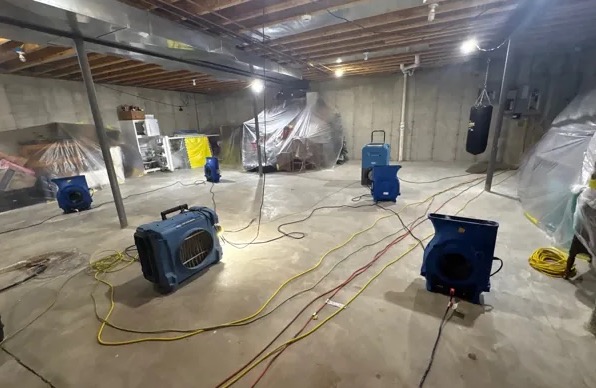
Reliable Basement Water Removal Near Tenafly, New Jersey
In Tenafly homes with a basement or below-grade room, water usually comes from storms, sewer backups or plumbing leaks overhead. The source decides how the water is handled and what can be saved.
Homes in Tenafly and nearby Cresskill, Bergenfield and Dumont with basements face storm seepage, sewer backups and plumbing leaks. Help with basement water removal covers pump-out, wall and floor drying and dehumidification.
Specialized Basement Water Removal for Tenafly
Basement Dehumidification
After drying, a household dehumidifier may still be needed to keep basement humidity in a healthy range.
Sump Pump Failure Water Cleanup
Cleanup after a sump failure includes drying the area around the pit and noting whether the pump, switch or power was the cause.
Basement Wall Drying
Basement walls are checked with moisture meters. Wet drywall is cut back above the water line, and insulation behind it is removed.
Basement Water Pump Out
When water is more than an inch or two deep, pumps move it far faster than wet vacs, which limits how long walls sit in water.
Basement Moisture Inspection
Moisture meters and thermal cameras check walls, floors and the slab for water that is not visible, including behind finished walls.
Common Symptoms Requiring Basement Water Removal
Gurgling Sounds From Drains
Gurgling floor drains or slow drains can be an early sign of a sewer line problem.
Efflorescence on Concrete Walls
White, powdery deposits on concrete walls mean water is passing through the masonry.
Warped or Buckling Flooring
Flooring that buckles, lifts or feels spongy has water trapped between it and the slab.
High Humidity and Condensation
Water on pipes and windows, or a constantly clammy feel, means basement humidity is too high.
How Basement Water Removal Works in Tenafly
Step 1: Emergency Water Extraction
Power is made safe, then pumps and extractors remove standing water from the basement floor.
Step 2: Detailed Moisture Inspection
Meters map wet walls, framing and slab areas, including behind finished walls and under flooring.
Step 3: Drying and Dehumidification
Air movers and large dehumidifiers run continuously, with readings checked every day.
Step 4: Final Verification and Monitoring
Readings are compared to dry areas, and equipment is removed only when the basement tests dry.
Why Basements Flood in Tenafly
Sump Pump Malfunction or Power Loss
A sump pump that fails mechanically or loses power during a storm lets groundwater rise.
Plumbing Leaks or Pipe Bursts
Supply lines, drain pipes and water heaters in the basement can leak or burst onto the floor.
Clogged or Damaged Gutters
Clogged gutters and short downspouts dump roof water right next to the foundation.
High Water Table and Hydrostatic Pressure
A high water table presses groundwater against the slab and walls, forcing it inside.
Basement Water Removal for Homes and Businesses
Residential Basement Water Removal
Older homes with a basement may see seepage with every heavy storm. Water removal handles the current damage, and the entry point is noted for a waterproofing contractor.
Commercial Basement Water Removal
Multi-unit buildings with shared basements need each storage and laundry area pumped, dried and documented for the property manager.
The Risks of DIY Basement Water Removal
You can move belongings up off the floor and run the dehumidifier you already own. Drying soaked walls and slab needs larger equipment and readings to confirm the job is done.
Investing in Professional Basement Water Removal
The cost of basement water removal in Tenafly depends on how deep the water is, what type of water it is and how much finished material has to come out.
Basement Square Footage
Larger basements need more extraction, more drying equipment and more days of drying.
Affected Materials
Finished walls, carpet and laminate take more removal work than bare concrete.
Additional Services
Antimicrobial treatment, contents cleaning and repairs after drying add to the cost.
Does Insurance Cover Basement Water Removal?
Coverage for basement water removal depends on the water source and your policy. The pros document the damage and drying, and your insurer decides what is covered.
Advantages of Local Basement Water Removal Experts
Detailed Damage Documentation
Photos, readings and drying logs are kept to support your insurance claim.
Methodical Water Removal Process
Water is removed in a set order: pump-out, extraction, removal of soaked materials, then drying.
Focus on Drying Outcomes
Drying continues until readings are normal, not just until surfaces look dry.
Round-the-Clock Basement Water Removal for Tenafly
Storm night, weekend or holiday, local water damage pros handle basement water in Tenafly. Call (973) 846-1705 to get pumps running and drying started.
Call Now (973) 846-1705Basement Water Removal Throughout Bergen County
Basement water removal also covers homes and buildings in Cresskill, Bergenfield and Dumont, close to Tenafly, day or night.
- Basement Water Removal in Cresskill
- Basement Water Removal in Bergenfield
- Basement Water Removal in Dumont
- Basement Water Removal in Demarest
- Basement Water Removal in Englewood
- Basement Water Removal in Alpine
- Basement Water Removal in New Milford
- Basement Water Removal in Closter
- Emergency Damage Restoration in 07670
- Storm Damage Restoration in 07670
- Water Damage Restoration in 07670
- Water Extraction Service in 07670
- Water Leak Detection in 07670
- Water Removal Service in 07670
Answers to Top Basement Water Removal Queries
How does a basement moisture inspection work?
Moisture meters and thermal cameras check walls, floors and the slab, including behind finished walls and under flooring.
Is a sump pump failure an emergency?
Yes, especially during rain. Groundwater can rise quickly once the pump stops, flooding the floor and finished rooms.
What equipment is used for basement water extraction?
Submersible pumps, extractors, wet vacs, air movers, large dehumidifiers and moisture meters to confirm drying.
Can I dry my basement myself with fans?
Fans help with surface water, but walls and concrete need dehumidifiers and readings to dry fully.
What is the difference between a pump out and extraction?
A pump out removes deep standing water. Extraction pulls the remaining water from carpet, pad and floors.