Franklin, NJ · Sussex County
Attic Water Removal in Franklin, NJWet Attic Insulation Removal & Ceiling Water Damage Cleanup
Get attic water removal in Franklin for attic moisture inspection, attic leak water cleanup and attic mold prevention.
Answered 24/7
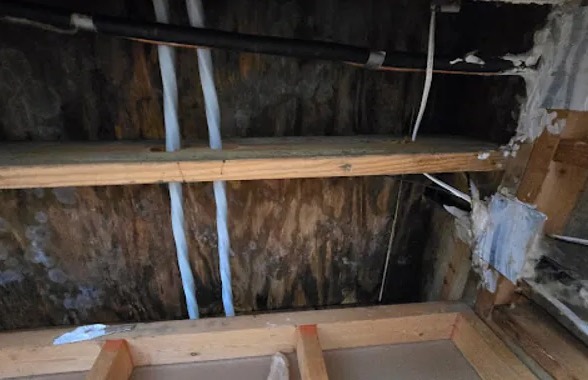
Professional Attic Water Removal in Franklin, NJ
A ceiling stain in a Franklin home is usually the last sign of an attic leak, not the first. By the time it shows, insulation and decking above may already be wet across a wide area.
In Franklin, attic water calls often start with a ceiling stain after heavy rain or a dripping AC drain. Local water extraction specialists serve Franklin, West Milford, Kinnelon and Butler, removing water and wet insulation and drying the attic.
Detailed Attic Water Removal Solutions
Wet Attic Insulation Removal
Only the wet sections come out. The edges of the wet area are checked with a meter so dry insulation is not removed by mistake.
Ceiling Water Damage Cleanup
Fallen drywall, wet insulation and debris in the room below are cleaned up, and floors and furniture are protected during the work.
Attic Moisture Inspection
Readings are recorded at the start and at each visit, giving a clear drying history for your records and insurer.
Attic Leak Water Cleanup
Water-stained debris, wet cardboard and soaked stored items are cleared out so the attic floor can be dried.
Roof Leak Water Removal
The entry point is photographed and marked, which helps both the roofer and your insurance adjuster.
When to Consider Attic Water Removal in Franklin
Water Stains on Ceiling
A brown ring or yellow patch on an upstairs ceiling usually means water is sitting on the drywall from the attic.
Puddles or Standing Water in Attic
Pooled water on the attic floor or on top of drywall needs removal right away.
Sagging or Bubbling Ceiling Drywall
Ceiling drywall that sags, bulges or bubbles at the seams is holding water and may fall.
Visible Mold in Attic Spaces
Dark spots on rafters or roof decking mean the wood has stayed damp for days or longer.
How Attic Water Removal Works in Franklin
Step 1: Containment and Safety Setup
Power to wet fixtures is shut off and plastic sheeting protects the room below.
Step 2: Roof Leak Water Removal and Cleanout
Rainwater is removed, a tarp is placed over roof damage, and wet debris is cleared.
Step 3: Moisture Evaporation and Attic Drying
Equipment runs on safe footing in the attic, with readings checked each day.
Step 4: Validation of Dry Conditions
Final readings are compared to dry areas to confirm the attic is ready for new insulation.
Typical Sources of Attic Water Damage
Burst or Leaking Plumbing Pipes
Supply lines and drain pipes in the attic can crack or burst onto the ceiling.
Storm Damage From High Winds or Hail
High winds and hail can damage shingles and open the roof to rain during a storm.
Flashing Failures Around Roof Penetrations
Failed flashing around vents, chimneys and skylights lets rain run into the attic.
Condensation From Poor Attic Ventilation
Moist air from the house condenses on roof decking when attic ventilation is poor.
Home and Business Attic Water Removal Solutions
Residential Attic Water Removal
Homeowners with stored items in the attic need those moved out first. Wet boxes are dried or discarded before the attic floor is cleaned and dried.
Commercial Attic Water Removal
Offices and stores need the space below protected while attic work is under way. Drying is planned around business hours where possible.
Attic Water Removal vs. DIY: When to Call the Pros
Catching drips with a bucket and moving furniture out of the way is a smart first step. Call local water extraction specialists if water is pooling in the attic, the ceiling is stained or sagging, or insulation is wet.
Understanding Attic Water Removal Pricing
Tight attic access, blown-in insulation removal and storm-night calls all add to the total for attic water removal in Franklin.
Access and Attic Complexity
Low headroom and small access hatches make attic work slower than open spaces.
Extent of Water Damage
A leak confined to one bay costs less than water spread across the attic and the rooms below.
Water Contamination Level
Clean rainwater is simpler to handle than water from a drain line or other dirty source.
Does Insurance Cover Attic Water Removal?
Many homeowner policies cover sudden attic leaks from storms or burst pipes, but not damage from worn roofing or slow leaks. Read your policy and call your insurer early.
Benefits of Local Pros for Attic Water Removal
Dehumidification Equipment
Dehumidifiers sized for the attic remove moisture much faster than roof vents and open hatches alone.
Post-Cleanup Verification
Final readings confirm the attic is dry before new insulation goes in.
Industry Drying Standards
Drying follows industry water damage standards, with moisture readings taken at every visit.
24-Hour Emergency Attic Water Removal Near Franklin
Night, weekend or holiday, the specialists handle attic water in Franklin. Call (973) 846-1705 to get the water out and the ceiling protected.
Call Now (973) 846-1705Nearby Towns for Attic Water Removal from Franklin
Nearby areas served for attic water removal include West Milford, Kinnelon and Butler, with the same water removal and drying steps used in Franklin.
- Attic Water Removal in West Milford
- Attic Water Removal in Kinnelon
- Attic Water Removal in Butler
- Attic Water Removal in Bloomingdale
- Attic Water Removal in Rockaway
- Attic Water Removal in Wharton
- Attic Water Removal in Dover
- Attic Water Removal in Denville
- Emergency Damage Restoration in 07416
- Storm Damage Restoration in 07416
- Water Damage Restoration in 07416
- Water Extraction Service in 07416
- Water Leak Detection in 07416
- Water Removal Service in 07416
Attic Water Removal FAQs
How can mold be prevented after attic water removal?
By drying wood quickly, fixing ventilation problems and treating framing that stayed wet with an antimicrobial.
How do professionals dry an attic?
With air movers and dehumidifiers placed on boards across the joists, checking moisture readings daily until the wood is dry.
What causes attic water damage?
Roof leaks, plumbing failures, attic AC overflows, water heater leaks, loose bath fan ducts and poor ventilation.
Can wet attic insulation be saved?
Lightly damp areas sometimes dry, but soaked or matted insulation is usually removed and replaced after the attic dries.
Can I remove attic water myself?
Only small amounts that are easy to reach safely. Pooled water and soaked insulation need safe footing and drying equipment.