East Hanover, NJ · Morris County
Aquarium Leak Water Removal in East Hanover, NJAquarium Flood Cleanup & Emergency Aquarium Leak Response
Get aquarium leak water removal in East Hanover for saltwater tank leak cleanup, aquarium floor drying and aquarium leak water extraction.
Answered 24/7
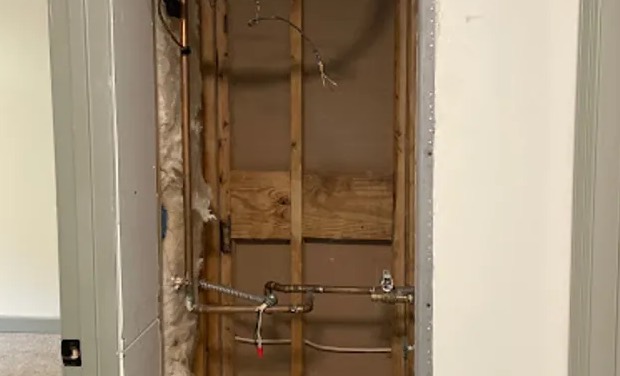
Professional Aquarium Leak Water Removal in East Hanover, NJ
Tank water in East Hanover homes is not just water. It carries fish waste, uneaten food and plant matter, which can leave odor and staining if it is only mopped up.
Tank owners in East Hanover can call (973) 846-1705 day or night when an aquarium starts leaking. Service also covers Florham Park, Whippany and Livingston, with the same extraction and drying steps for tanks of any size.
Detailed Aquarium Leak Water Removal for East Hanover
Aquarium Flood Cleanup
Floors, baseboards and lower walls the tank water reached are extracted and wiped down, and soaked items are moved to a dry area.
Emergency Aquarium Leak Response
Large tanks can flood more than one room. Fast extraction keeps the damage limited to the area around the tank.
Aquarium Stand Water Damage
Particleboard and MDF stands swell and lose strength when wet. A soaked stand may not safely hold a full tank again.
Aquarium Moisture Inspection
Thermal cameras can show cool, wet areas under flooring and in walls that look dry on the surface.
Saltwater Tank Leak Cleanup
Saltwater leaves salt behind as it dries. Floors, baseboards and the stand are rinsed and wiped so salt does not draw moisture back or corrode metal.
How to Know You Need Aquarium Leak Water Removal
Standing Water on Floor
Standing water anywhere near the tank needs extraction right away, before it reaches the subfloor.
Mold Spots on Stand
Dark spots on the stand or the wall behind it mean the area has stayed damp for days.
Puddles Around Your Aquarium
Water on the floor around the stand, even a small amount, usually means a seam, fitting or hose is leaking.
Warped Aquarium Stand
A stand that bows, swells at the base or has doors that no longer close has absorbed water.
How Aquarium Leak Water Removal Works in East Hanover
Step 1: Emergency Water Containment
Pumps and power to the tank are turned off, and towels or barriers keep water from spreading further.
Step 2: Aquarium Water Extraction
Standing water is extracted from the floor, carpet and stand cabinet, and wet items are moved out of the way.
Step 3: Targeted Floor Drying
Air movers and dehumidifiers are aimed at the floor and stand area, including under lifted flooring if needed.
Step 4: Final Moisture Verification
Readings confirm the subfloor, baseboards and walls are dry before the room goes back to normal use.
Reasons for Aquarium Leak Water Removal in East Hanover
Saltwater Corrosion Damage
Saltwater corrodes metal stand parts and fittings, leading to failures and leaks.
Overflowing Sump or Filter
A power outage or clogged return can overflow the sump or a hang-on filter onto the floor.
Failed Tank Silicone Seals
Silicone seams break down with age and can separate, letting water seep out along the joints.
Faulty Plumbing Connections
Hoses and fittings for filters, chillers and sumps can loosen or split over time.
Residential Aquarium Leak Water Removal in East Hanover
Residential Aquarium Leak Water Removal
Homeowners with reef or saltwater systems need salt residue cleaned from floors and fixtures after extraction, not just the water removed.
Commercial Aquarium Leak Water Removal
Businesses with multiple tanks may have shared plumbing that leaks in several spots. Each leak area is extracted, dried and documented.
Calling Local Pros for Aquarium Leak Water Removal in East Hanover
Do not try to move a full or partly full tank yourself. It is very heavy and can crack further. Lower the water level first, and call (973) 846-1705 if the floor is soaked.
Aquarium Leak Water Removal Cost in East Hanover, NJ
A slow aquarium leak in East Hanover can cost more than a sudden one, because the subfloor may have been soaking for weeks before anyone noticed.
Drying Equipment Needs
The number of air movers and dehumidifiers, and how many days they run, drives much of the cost.
Scope of Moisture Spread
Water that spread under walls or into other rooms adds extraction and drying work.
Tank Size and Contents
A larger tank releases more water and more debris, which means more extraction and cleanup.
Does Insurance Cover Aquarium Leak Water Removal?
Whether aquarium leak water removal is covered depends on your policy and the cause. The pros document the damage and the drying; your insurer makes the coverage decision.
Benefits of Local Aquarium Leak Water Removal in East Hanover
24/7 Emergency Response
Help is available day or night, which matters when a tank cracks and floods a room.
Detailed Moisture Inspection
Moisture meters check the floor, subfloor and walls around the tank for hidden water.
Targeted Aquarium Floor Drying
Airflow is directed under and around the stand area, where water is hardest to dry.
24/7 Emergency Aquarium Leak Water Removal in East Hanover
A burst tank floods a room fast. Call (973) 846-1705 for aquarium leak water removal in East Hanover at any hour to get the water out of the floor.
Call Now (973) 846-1705Locations for Aquarium Leak Water Removal Near East Hanover
Help with aquarium leak water removal is also available in communities near East Hanover, including Florham Park, Whippany and Livingston, for homes and businesses with tanks of any size.
- Aquarium Leak Water Removal in Florham Park
- Aquarium Leak Water Removal in Whippany
- Aquarium Leak Water Removal in Livingston
- Aquarium Leak Water Removal in Cedar Knolls
- Aquarium Leak Water Removal in Madison
- Aquarium Leak Water Removal in West Orange
- Aquarium Leak Water Removal in Chatham
- Aquarium Leak Water Removal in Morris Plains
- Emergency Damage Restoration in 07936
- Storm Damage Restoration in 07936
- Water Damage Restoration in 07936
- Water Extraction Service in 07936
- Water Leak Detection in 07936
- Water Removal Service in 07936
Frequently Asked Questions About Aquarium Leak Water Removal
What records do I get for an insurance claim after an aquarium leak?
Photos, moisture readings, notes on where the leak started and daily drying logs for each wet area.
How is aquarium flood cleanup handled?
Water, gravel and debris are cleared, wet belongings moved, surfaces cleaned and the room dried with air movers and dehumidifiers.
What should I do while waiting for aquarium leak help?
Unplug tank equipment, lower the water level, move fish to a safe container and lay towels to slow the spread.
How can I prevent future aquarium leaks?
Use a level, solid stand, check seams and fittings regularly, and place a water leak sensor or drip tray under the stand.
What causes tank sealant failure in aquariums?
Age, stress from an uneven stand, temperature swings and physical bumps can all cause silicone seams to separate.