Elizabeth, NJ · Union County
AC Unit Water Removal in Elizabeth, NJAC Condensate Drain Clearing & AC Leak Mold Prevention
AC Unit Water Removal in Elizabeth runs from emergency AC water removal and AC leak water cleanup to air conditioner restoration services.
Answered 24/7
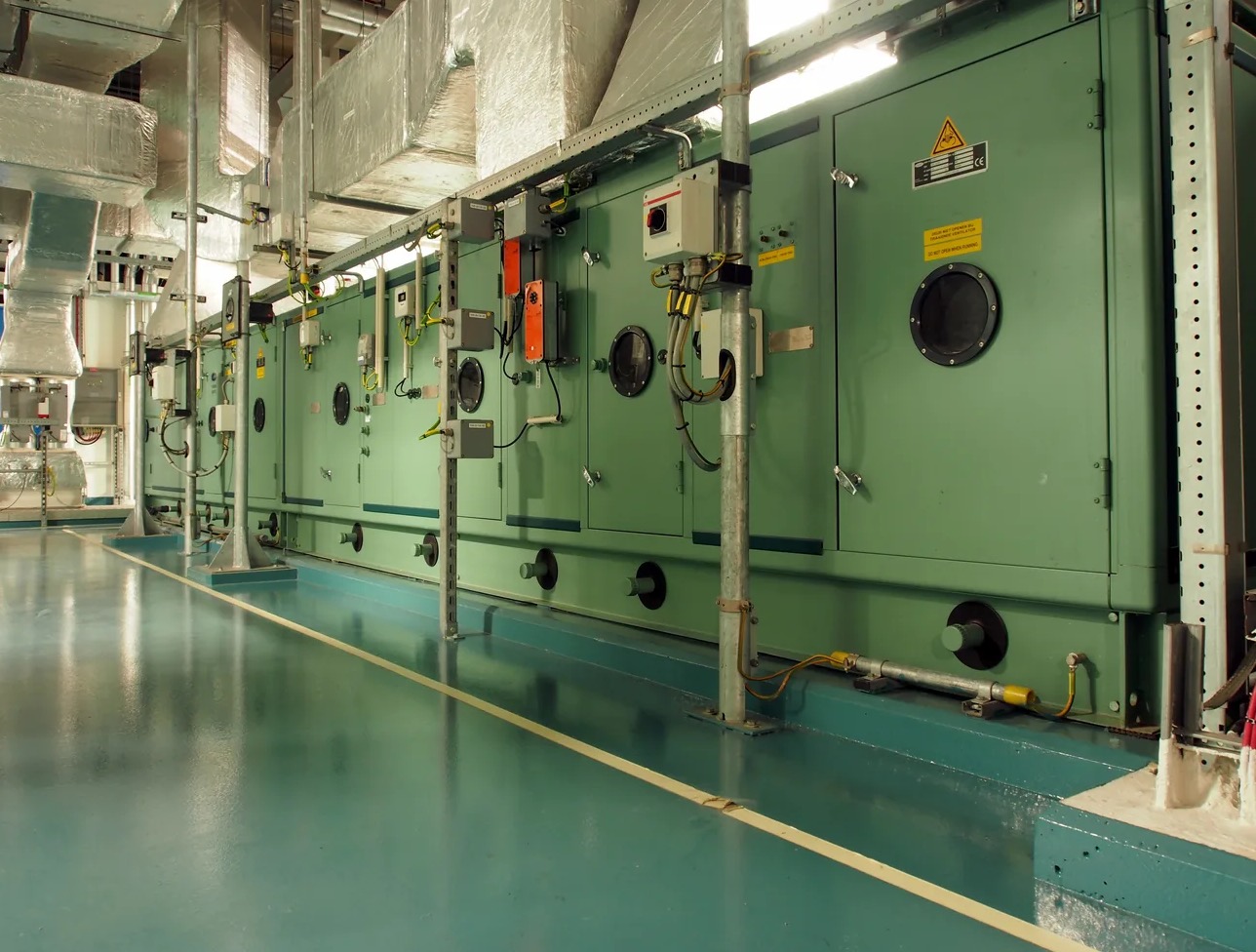
Trusted AC Unit Water Removal for Elizabeth Residents
AC Unit Water Removal in Elizabeth covers the whole leak, from removing standing water to drying wet materials and repairing drywall or trim afterward. Each step depends on how far the water traveled and how long it sat.
Property owners in Elizabeth can call (973) 846-1705 day or night when an air handler starts leaking. Service also covers Roselle, Linden and Union, with the same extraction, drain clearing and drying process for attic, closet and garage units in houses, condos and apartments.
AC Unit Water Removal Services in Elizabeth
AC Condensate Drain Clearing
A clogged condensate line is the most common reason an AC unit leaks. The pros flush out algae and sludge so condensate drains away again.
AC Leak Mold Prevention
Once materials are dry, an EPA-registered antimicrobial can be applied to wet wood and drywall near the unit to slow microbial growth.
AC Leak Water Cleanup
Cleanup starts at the drain pan and works outward, removing pooled water and wet debris so drying can begin.
Air Conditioner Restoration Services
Work finishes with cleanup and a check that the unit drains properly, so the leak does not return.
AC Leak Water Extraction
Extraction is followed by drying with air movers and dehumidifiers, with daily readings to track progress.
Indicators for Emergency AC Unit Water Removal
AC System Shuts Off
Many units have a float switch that shuts the system off when the pan fills. If the AC stops cooling, check the pan.
Water Stains on Walls
Brown rings or peeling paint on the ceiling under an attic unit, or on walls near the closet, point to a slow leak.
AC Drain Pan Overflow
Water at the rim of the drain pan, or in the secondary pan, means the condensate line is blocked.
High Indoor Humidity Levels
Rooms that feel clammy while the AC runs may mean water is not draining and is evaporating back into the air.
How AC Unit Water Removal Works in Elizabeth
Step 1: AC Leak Water Cleanup
Pooled water is removed from around the air handler and from any rooms or ceilings the leak reached.
Step 2: AC Drain Pan Water Extraction
The primary and secondary pans are emptied and checked for cracks, rust holes or a stuck float switch.
Step 3: Component and Structure Drying
Wet panels, framing and subfloor are dried with targeted airflow and dehumidifiers until readings are normal.
Step 4: Documentation and Prevention
Photos and readings are recorded for insurance, and simple drain upkeep tips are shared to prevent a repeat.
Frequent Sources of AC Water Damage
Dirty Air Filters
A clogged filter cuts airflow, which can freeze the coil and cause overflow when it melts.
Damaged AC Drain Pan
Metal pans rust through and plastic pans crack with age, letting water drip straight through.
Disconnected Drain Line
A drain line knocked loose in the attic or closet empties condensate onto the ceiling or floor.
Age and Component Wear
Older units have worn fittings, brittle seals and corroded pans that start leaking together.
AC Unit Water Removal Services for All Properties in Elizabeth
Residential AC Unit Water Removal
For homeowners, the main risk is water soaking into insulation and drywall where no one sees it. Moisture meters find that hidden water so it can be dried before it causes rot.
Commercial AC Unit Water Removal
For property managers, one leaking unit can affect several suites or the floor below. Each wet area is extracted, dried and documented for the owner and insurer.
The Risks of DIY AC Unit Water Removal in Elizabeth
A wet vac on the condensate line outlet clears many simple clogs. If the ceiling below an attic unit is stained or sagging, stay out from under it and call (973) 846-1705 instead of poking holes in it.
What Affects AC Unit Water Removal Expense in Elizabeth
The cost of AC unit water removal in Elizabeth depends on how much water leaked, which materials got wet and how long drying takes. A clogged line caught early costs far less than a soaked ceiling.
Leak Source and Severity
A slow drip near the closet costs less to fix than an attic overflow that soaked a ceiling and the room below.
Required Drying Time
Dense materials and enclosed spaces take longer to dry, which means more equipment days.
Secondary Damage Presence
Wet ceilings, swollen baseboards or damp framing add removal and repair work to the job.
Does Insurance Cover AC Unit Water Removal?
Take photos before cleanup starts and keep receipts for any emergency work, such as extraction done at night. Both help when you file a claim for AC water damage with your insurer.
Benefits of Local Pros for AC Unit Water Removal in Elizabeth
Preventative Microbial Treatment
Optional antimicrobial treatment can be applied to wood and drywall that stayed wet for days.
Industry Drying Standards
Drying follows industry water damage standards, with moisture readings at each visit.
Detailed Moisture Documentation
Photos and moisture readings are recorded at each visit to support your insurance claim.
Emergency AC Unit Water Removal Available 24/7 in Elizabeth
Water from an air handler spreads fast through drywall and carpet. Call (973) 846-1705 for emergency AC unit water removal in Elizabeth at any time of the day or night.
Call Now (973) 846-1705Local AC Unit Water Removal Coverage for Elizabeth, Roselle, Linden and Union
Help with AC unit water removal reaches Roselle, Linden and Union, plus other communities around Elizabeth, for houses, apartments and commercial buildings with leaking AC units.
- AC Unit Water Removal in Roselle
- AC Unit Water Removal in Linden
- AC Unit Water Removal in Union
- AC Unit Water Removal in Irvington
- AC Unit Water Removal in Bayonne
- AC Unit Water Removal in Maplewood
- AC Unit Water Removal in Rahway
- AC Unit Water Removal in Westfield
- Emergency Damage Restoration in 07201
- Storm Damage Restoration in 07201
- Water Damage Restoration in 07201
- Water Extraction Service in 07201
- Water Leak Detection in 07201
- Water Removal Service in 07201
- Emergency Damage Restoration in 07202
- Storm Damage Restoration in 07202
Common AC Unit Water Removal Questions Answered
What happens during AC water extraction?
Pumps and extractors remove water from the pan, floor and carpet, then moisture meters check walls and subfloor for hidden water.
Does homeowners insurance cover water damage from an HVAC unit?
Sudden leaks are often covered, but slow leaks and the unit itself usually are not. Check your policy.
Why does the drain pan need to be emptied?
A full pan overflows into ceilings and floors. Emptying and inspecting it stops the spill and shows whether the pan is cracked.
Why document AC water damage?
Photos and moisture readings show what got wet and how it was dried, which helps your insurance claim.
Can an AC condensation leak damage the ceiling?
Yes. Attic units leak straight into the drywall below, causing stains, sagging and eventually collapse if left alone.