Denville, NJ · Morris County
AC Unit Water Removal in Denville, NJEmergency AC Water Removal & Wet AC Unit Component Drying
AC Unit Water Removal in Denville handles AC drain pan water extraction, AC leak water cleanup and AC leak mold prevention before the water spreads.
Answered 24/7
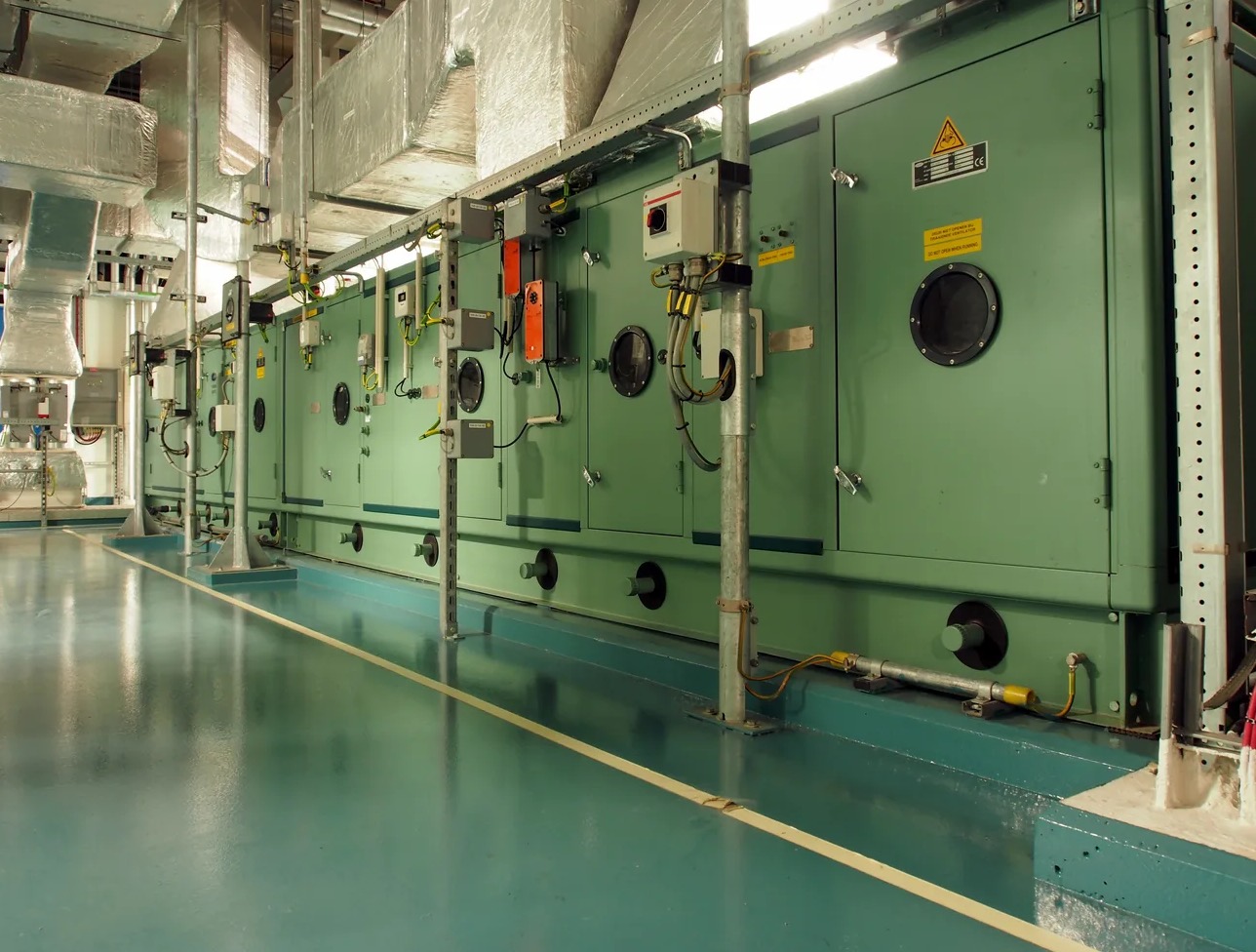
Local AC Unit Water Removal Services in Denville, New Jersey
When water drips from a ceiling vent or pools around the furnace closet in Denville, the AC drain is the usual suspect. A clogged condensate line sends water back into the pan until it spills over.
Property owners in Denville can call (973) 846-1705 day or night when an air handler starts leaking. Service also covers Rockaway, Boonton and Dover, with the same extraction, drain clearing and drying process for attic, closet and garage units in houses, condos and apartments.
Complete AC Unit Water Removal and Repair in Denville
Emergency AC Water Removal
A sudden AC flood can soak a ceiling or floor in hours. Emergency removal gets the water out before it spreads into framing and insulation.
Wet AC Unit Component Drying
Wet blower motors, panels and wiring are dried with gentle airflow and dehumidifiers rather than direct heat, which lowers the risk of corrosion and shorts.
AC Condensate Drain Clearing
A clogged condensate line is the most common reason an AC unit leaks. The pros flush out algae and sludge so condensate drains away again.
AC Leak Mold Prevention
Antimicrobial treatment is an add-on step after drying, not a substitute for removing wet materials that cannot be saved.
AC Drain Pan Water Extraction
Water sitting in a full or cracked drain pan is removed before it spills over into the ceiling or walls below.
Indicators for Emergency AC Unit Water Removal
Musty Odors From Vents
A musty smell when the AC starts often means standing water in the pan or wet insulation in the ducts.
Visible Mold Near AC
Dark spots on drywall or framing near the unit mean the area has stayed wet for days.
Reduced Cooling Efficiency
A clogged drain can trip a float switch or starve the coil of airflow, so the system runs longer and cools less.
Water Stains on Walls
Brown rings or peeling paint on the ceiling under an attic unit, or on walls near the closet, point to a slow leak.
How AC Unit Water Removal Works in Denville
Step 1: Emergency AC Water Removal
The unit is shut off and standing water is extracted from the drain pan, the floor and any carpet or pad it reached.
Step 2: AC Condensation Line Clearing
The drain line is flushed or vacuumed clear of algae and sludge, so condensate flows outside again.
Step 3: Wet AC Unit Component Drying
Air movers and a dehumidifier dry the cabinet interior and the walls, floor or ceiling around the unit.
Step 4: AC Leak Mold Prevention
Once readings show dry, wood and drywall that stayed wet can be treated with an antimicrobial.
Why AC Units Leak and Need Water Removal
Dirty Air Filters
A clogged filter cuts airflow, which can freeze the coil and cause overflow when it melts.
Frozen Evaporator Coils Thawing
A coil that freezes from low airflow sheds a large amount of water at once when it thaws.
Clogged AC Condensation Line
Algae and sludge build up in the drain line over a cooling season until water backs up into the pan.
Disconnected Drain Line
A drain line knocked loose in the attic or closet empties condensate onto the ceiling or floor.
Residential and Commercial AC Unit Water Removal in Denville
Residential AC Unit Water Removal
For homeowners, the main risk is water soaking into insulation and drywall where no one sees it. Moisture meters find that hidden water so it can be dried before it causes rot.
Commercial AC Unit Water Removal
For property managers, one leaking unit can affect several suites or the floor below. Each wet area is extracted, dried and documented for the owner and insurer.
The Risks of DIY AC Unit Water Removal in Denville
Box fans move air across a wet surface, but they often leave water trapped in wall cavities and under flooring. Professional drying uses moisture readings to confirm the hidden areas behind walls and under floors are dry too.
Factors Influencing AC Unit Water Removal Cost in Denville
Pricing for AC unit water removal in Denville is set after an inspection. The pros measure the wet area, check for hidden moisture and explain each item before starting.
Affected Component Count
The more of the system that got wet, such as the blower, panels and insulation, the more drying time is needed.
Required Drying Time
Dense materials and enclosed spaces take longer to dry, which means more equipment days.
System Restoration Complexity
Replacing drywall, insulation or trim after drying adds material and labor to the total.
Does Insurance Cover AC Unit Water Removal?
Ask your adjuster whether clearing the condensate line is covered or treated as routine maintenance, since policies differ. The water damage to ceilings, walls and floors is often handled separately from the unit.
Why Choose Local Pros for AC Unit Water Removal in Denville
Preventative Microbial Treatment
Optional antimicrobial treatment can be applied to wood and drywall that stayed wet for days.
Drain Pan Extraction
Both the main pan and the safety pan are emptied and checked for damage.
24/7 Emergency Response
Help is available any hour, which matters when an attic unit starts leaking into a ceiling at night.
Round-the-Clock Emergency AC Unit Water Removal in Denville
Every hour of standing water means more drying later and more materials to replace. Call (973) 846-1705 for AC unit water removal in Denville as soon as you see the leak.
Call Now (973) 846-1705AC Unit Water Removal Throughout Denville and Beyond
Help with AC unit water removal reaches Rockaway, Boonton and Dover, plus other communities around Denville, for houses, apartments and commercial buildings with leaking AC units.
- AC Unit Water Removal in Rockaway
- AC Unit Water Removal in Boonton
- AC Unit Water Removal in Dover
- AC Unit Water Removal in Morris Plains
- AC Unit Water Removal in Cedar Knolls
- AC Unit Water Removal in Whippany
- AC Unit Water Removal in Morristown
- AC Unit Water Removal in Wharton
- Emergency Damage Restoration in 07834
- Storm Damage Restoration in 07834
- Water Damage Restoration in 07834
- Water Extraction Service in 07834
- Water Leak Detection in 07834
- Water Removal Service in 07834
Your AC Unit Water Removal Questions Addressed
What clogs an AC condensate line?
Algae, sludge, dust and debris build up inside the line, especially over long cooling seasons, until water backs up into the pan.
What equipment is used to dry AC leak damage?
Extractors, air movers, dehumidifiers and moisture meters, plus wet vacs or pumps for the drain line.
Why does the drain pan need to be emptied?
A full pan overflows into ceilings and floors. Emptying and inspecting it stops the spill and shows whether the pan is cracked.
What happens during AC water extraction?
Pumps and extractors remove water from the pan, floor and carpet, then moisture meters check walls and subfloor for hidden water.
What is involved in AC unit water removal?
Standing water is extracted, the condensate line is cleared, and wet materials are dried with air movers and dehumidifiers until moisture readings are normal.